Our recent recognition
Recognized by Forbes India DGEMS 2025 as company with Global Business Potential

 Contact Us
Practical insights on enterprise AI, knowledge graphs, semantic search, and AI agents by the uCube.ai team.
 AI & Data Fundamentals
Generative AI creates new text, images, code, and data instead of only analyzing what already exists. Here is how it works and where it is changing enterprise work.
Read Article → Industry Solutions
AI is reshaping construction on projects of every size. It improves safety monitoring, design accuracy, scheduling, and cost control. Backed by data from KPMG, McKinsey, and Deloitte.
Read Article → Industry Solutions
AI is changing the factory floor worldwide. It sharpens quality control, predicts maintenance needs, steadies supply chains, and lifts output. Backed by data from the World Economic Forum, McKinsey, and Deloitte.
Read Article → Industry Solutions
AI is changing how shoppers find products and how stores run. It also shifts where retail profit is made, not just how fast existing work gets done. Backed by data from BCG and KPMG.
Read Article → Industry Solutions
AI is reshaping legal work in India, the UAE, and beyond. It speeds up research, contract review, and e-discovery, so lawyers can spend their time on judgment.
Read Article → Industry Solutions
AI in healthcare has moved past pilots into everyday infrastructure. It eases clinician burnout, automates prior authorization, and reshapes how care is delivered. Backed by data from McKinsey, Deloitte, and the WHO.
Read Article →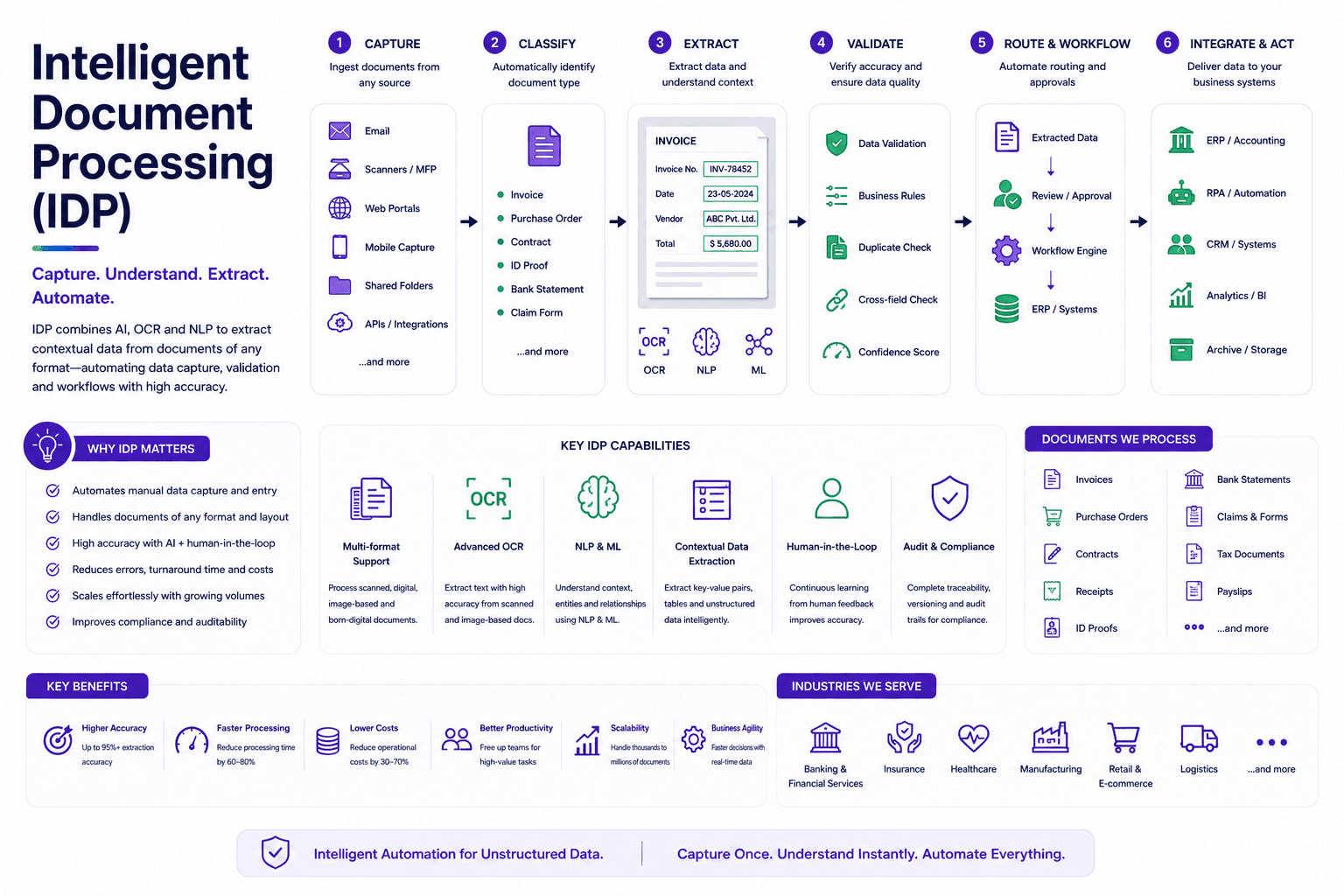 AI & Data Fundamentals
Intelligent document processing reads, classifies, and extracts data from documents using AI, OCR, and NLP. It turns paperwork into structured business data.
Read Article →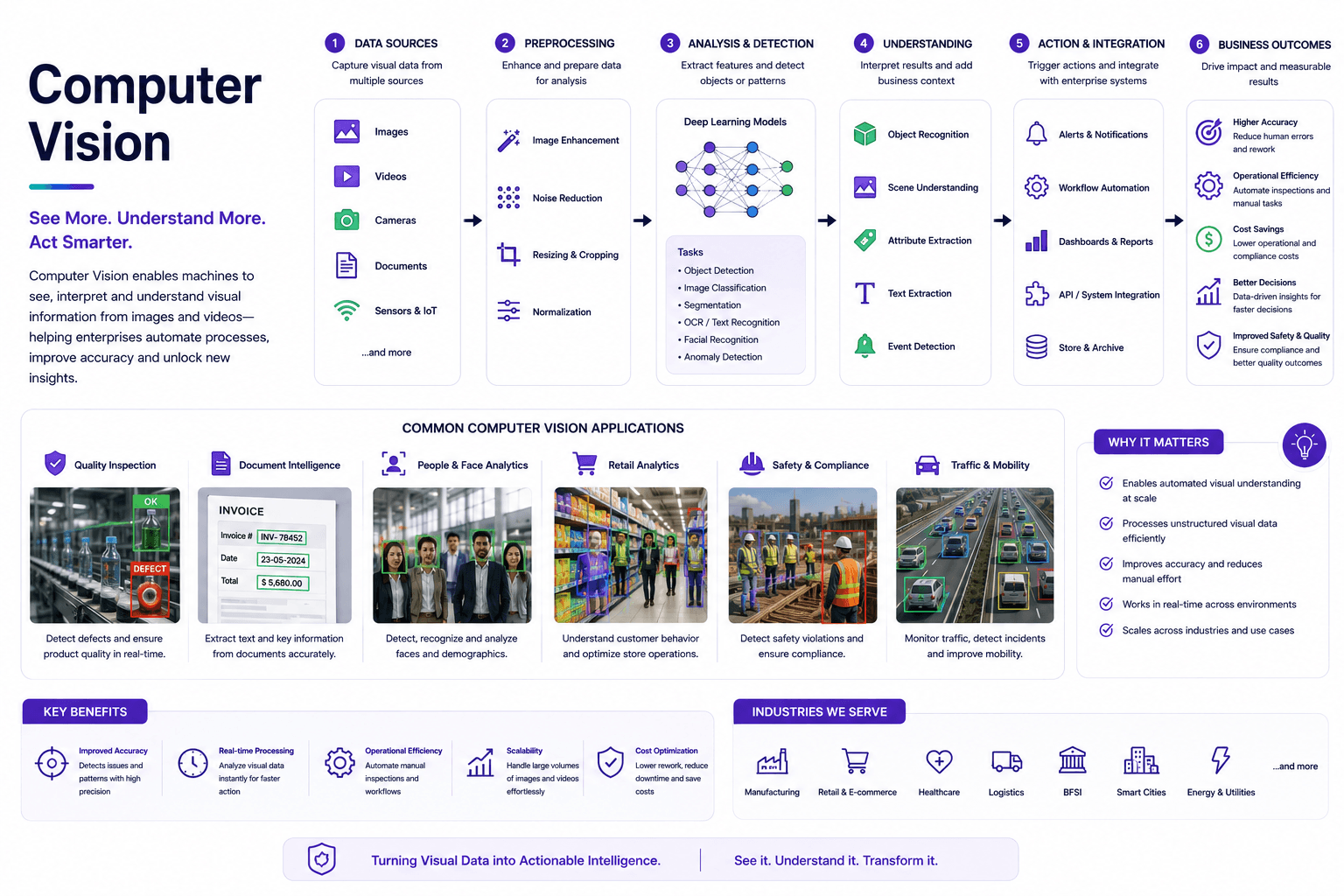 AI & Data Fundamentals
Computer vision lets machines interpret images and video. It powers medical diagnostics, self-driving cars, and factory inspection. Here is how it works and where it is used.
Read Article →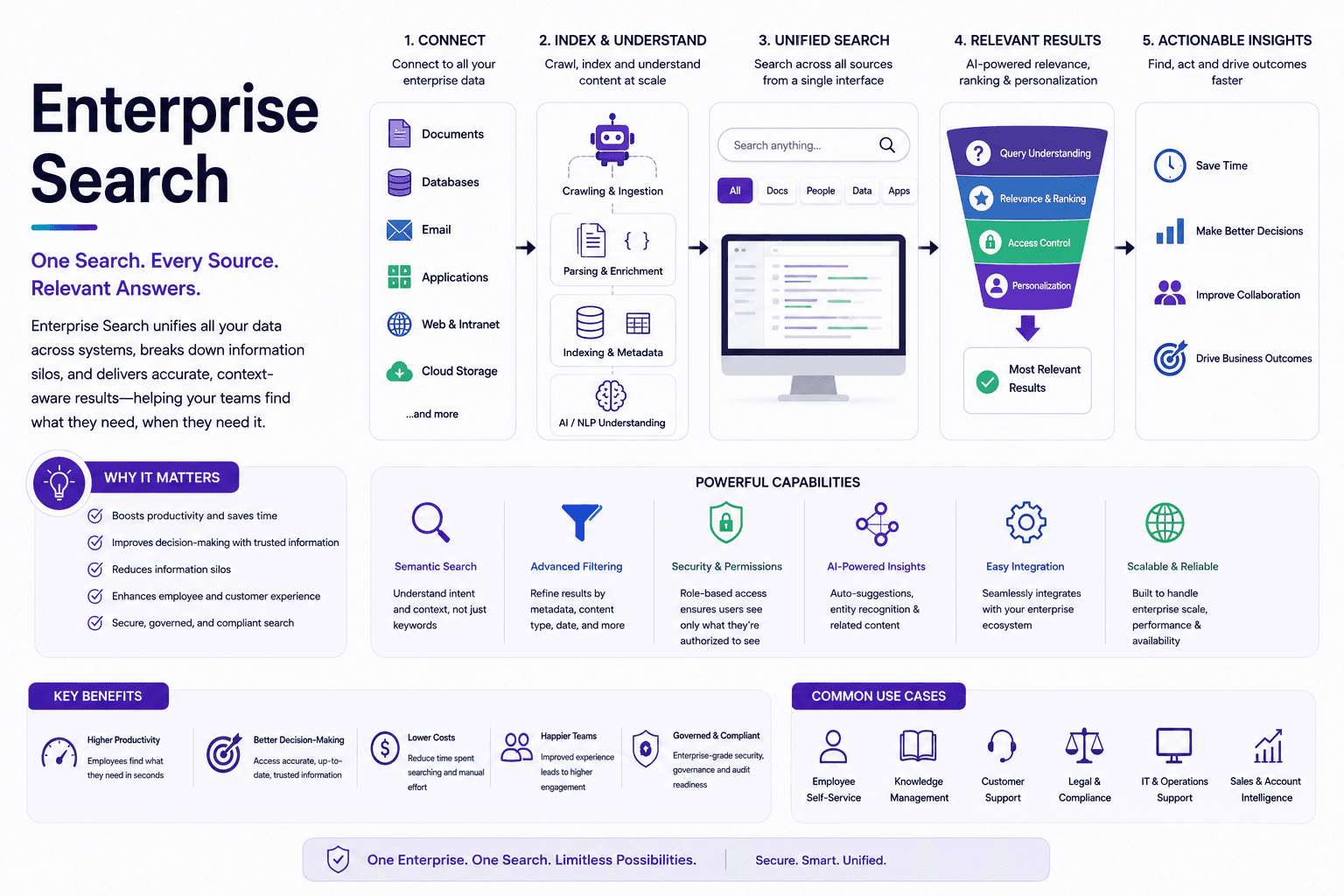 AI & Data Fundamentals
Enterprise search finds information across every company system from one place. It is also the foundation AI assistants use to ground answers in real company knowledge.
Read Article →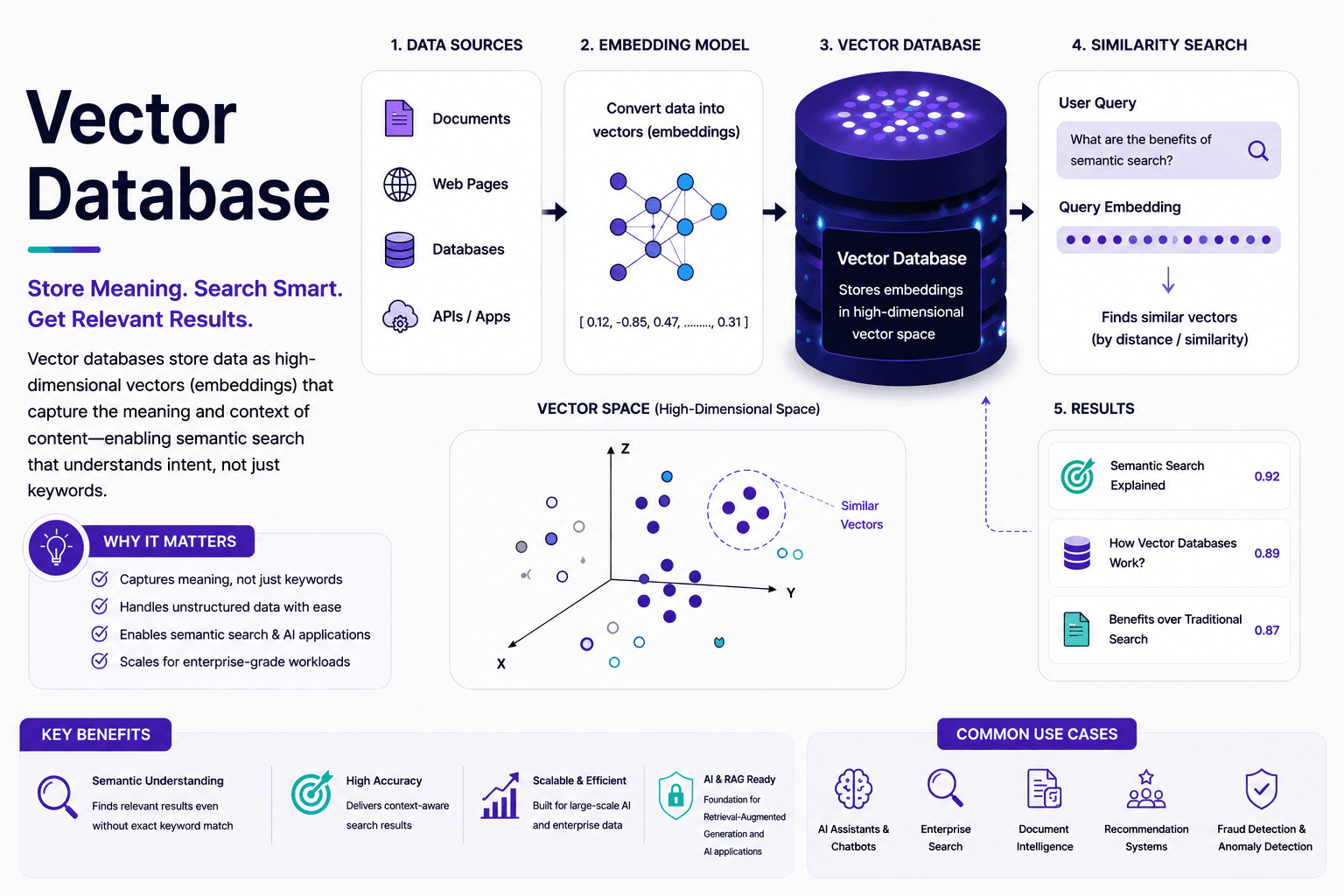 AI & Data Fundamentals
A vector database searches by meaning rather than exact keywords, using embeddings. Here is how they work, why AI needs them, and how to choose one.
Read Article →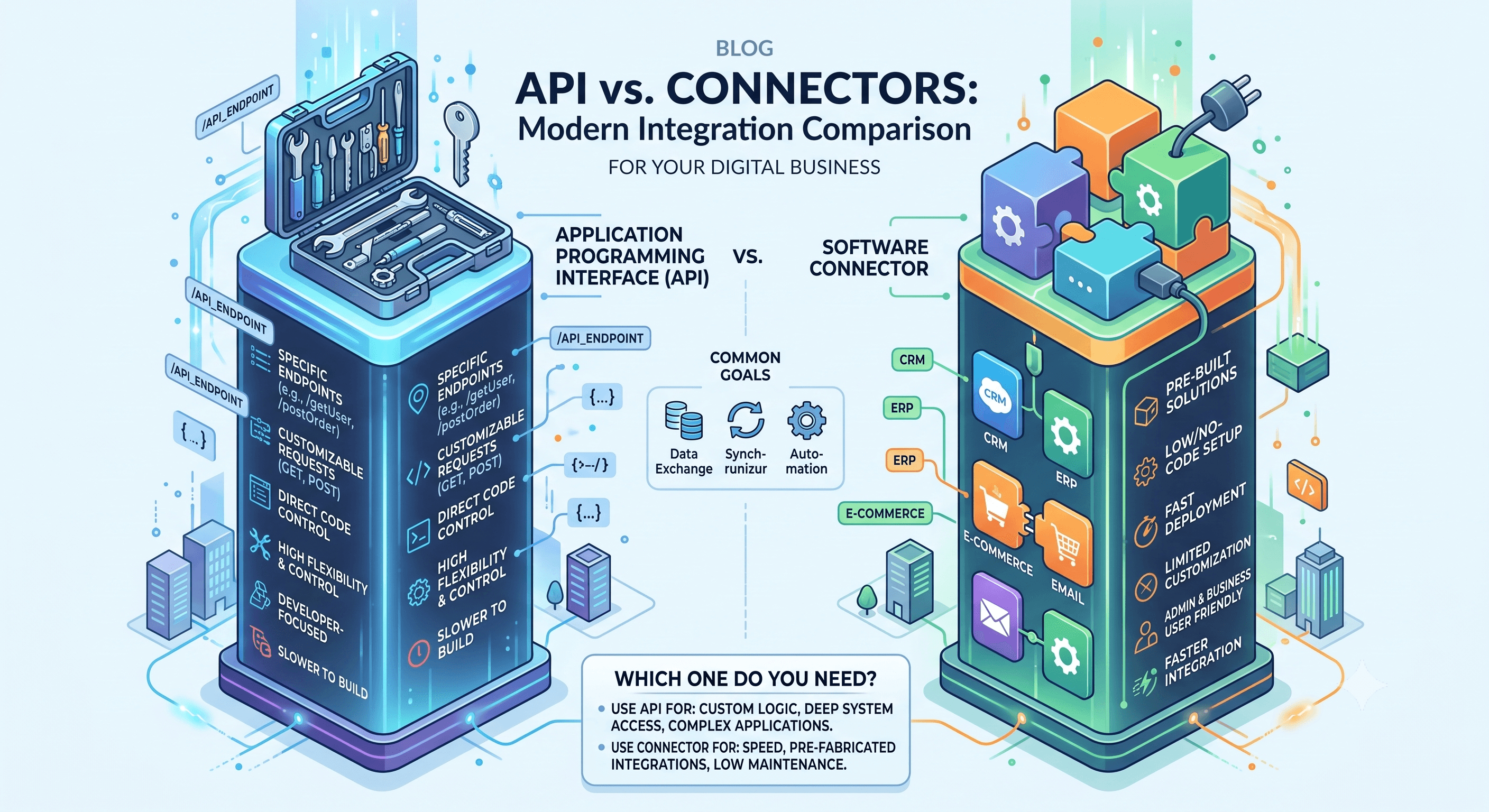 AI & Data Fundamentals
APIs and connectors both move data between systems, but they solve different problems. Here is how they differ, when to use each, and how they work together.
Read Article →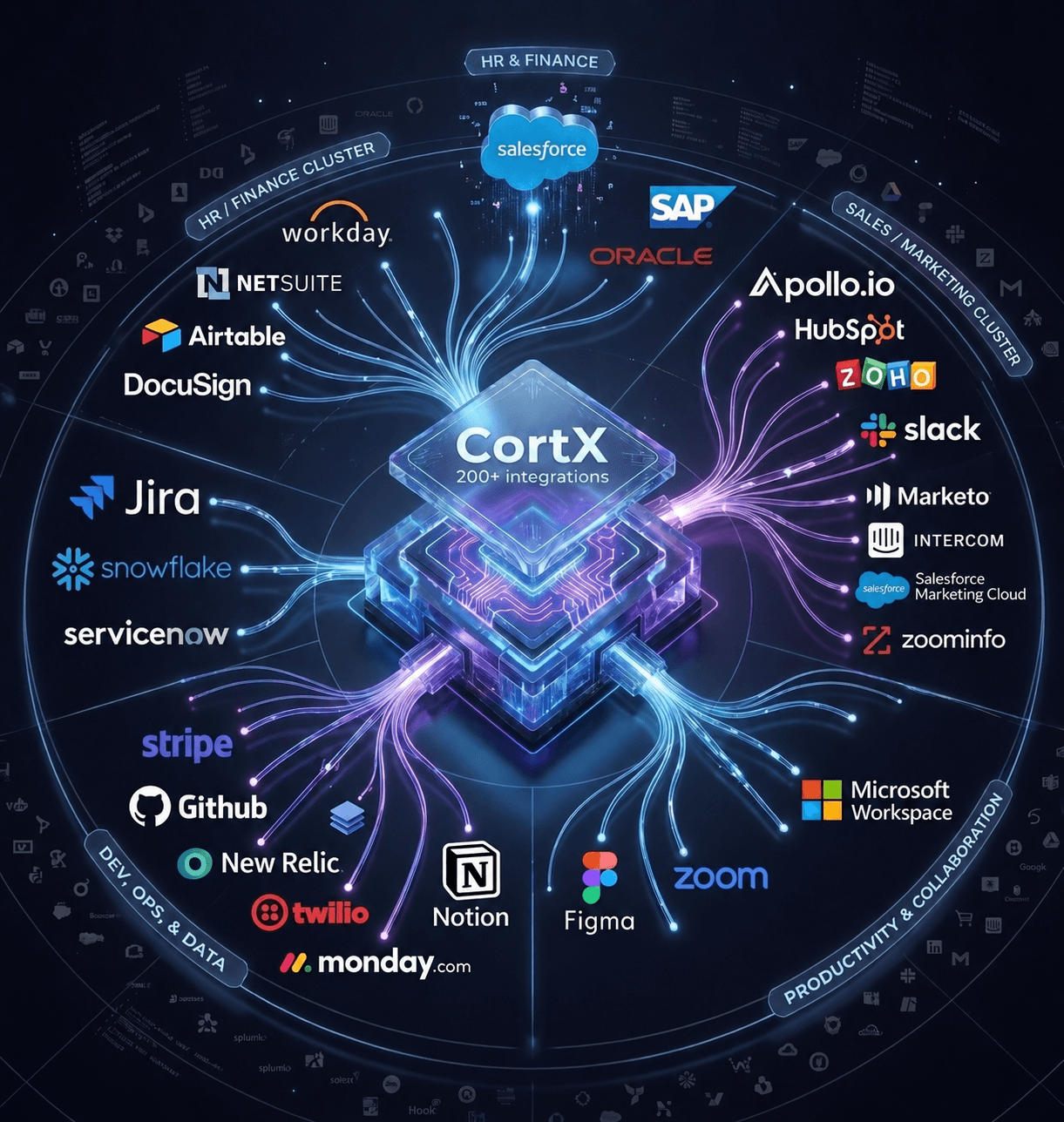 AI & Data Fundamentals
AI connectors plug language models into the business systems you already run. Outputs stay grounded in current data instead of a static training set.
Read Article → AI & Data Fundamentals
AI security has two halves: using AI to defend your systems, and defending the AI itself. The threats are new too, from data poisoning to adversarial attacks and model theft.
Read Article → AI & Data Fundamentals
Large language models are neural networks trained on huge text datasets. Here is how they work, how they are trained, and where companies use them.
Read Article →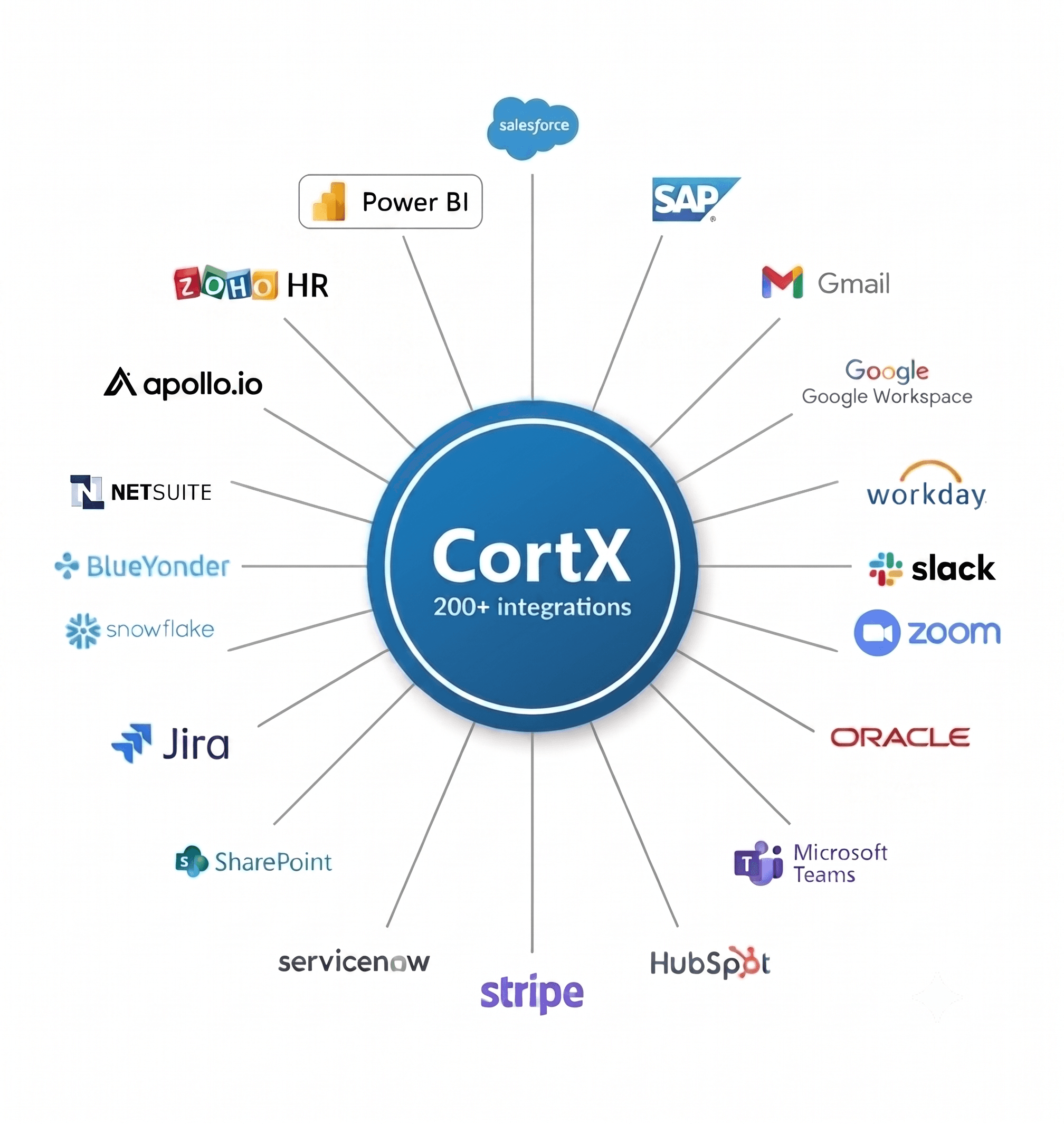 AI & Data Fundamentals
Enterprise integration links the applications, data, and processes across your IT estate. It is what makes automation, better decisions, and governed AI possible at scale.
Read Article → AI & Data Fundamentals
Enterprise AI architecture is how a company builds, governs, and scales AI in production. Here is what it covers, why it matters, and the design patterns behind it.
Read Article →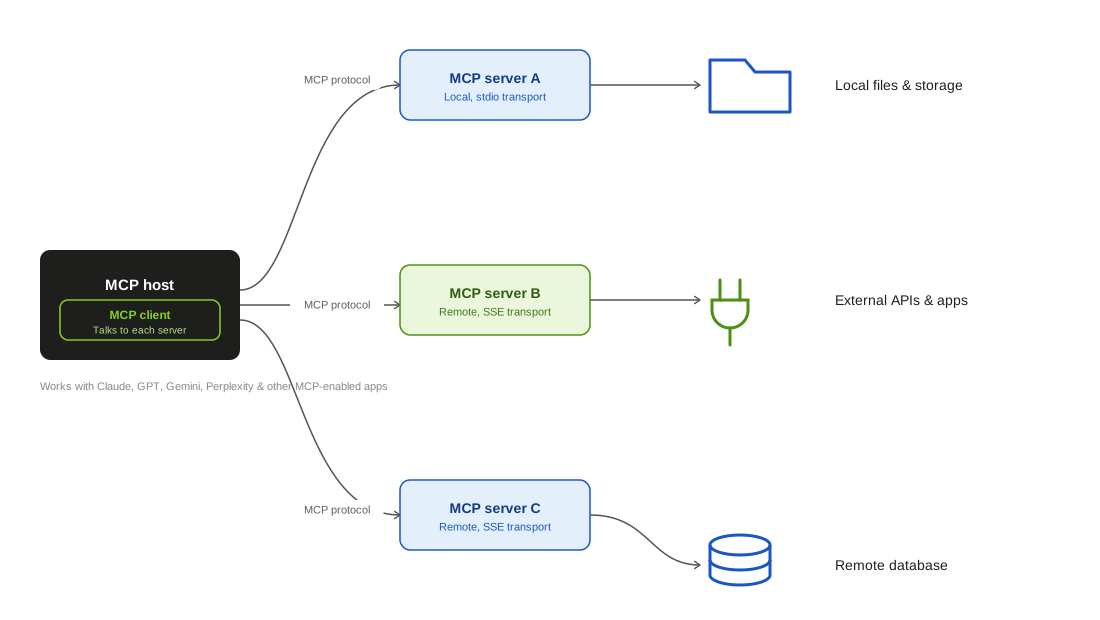 AI & Data Fundamentals
MCP is an open standard for connecting language models to outside data, tools, and services. It turns a static model into an agent that can look things up and take action.
Read Article →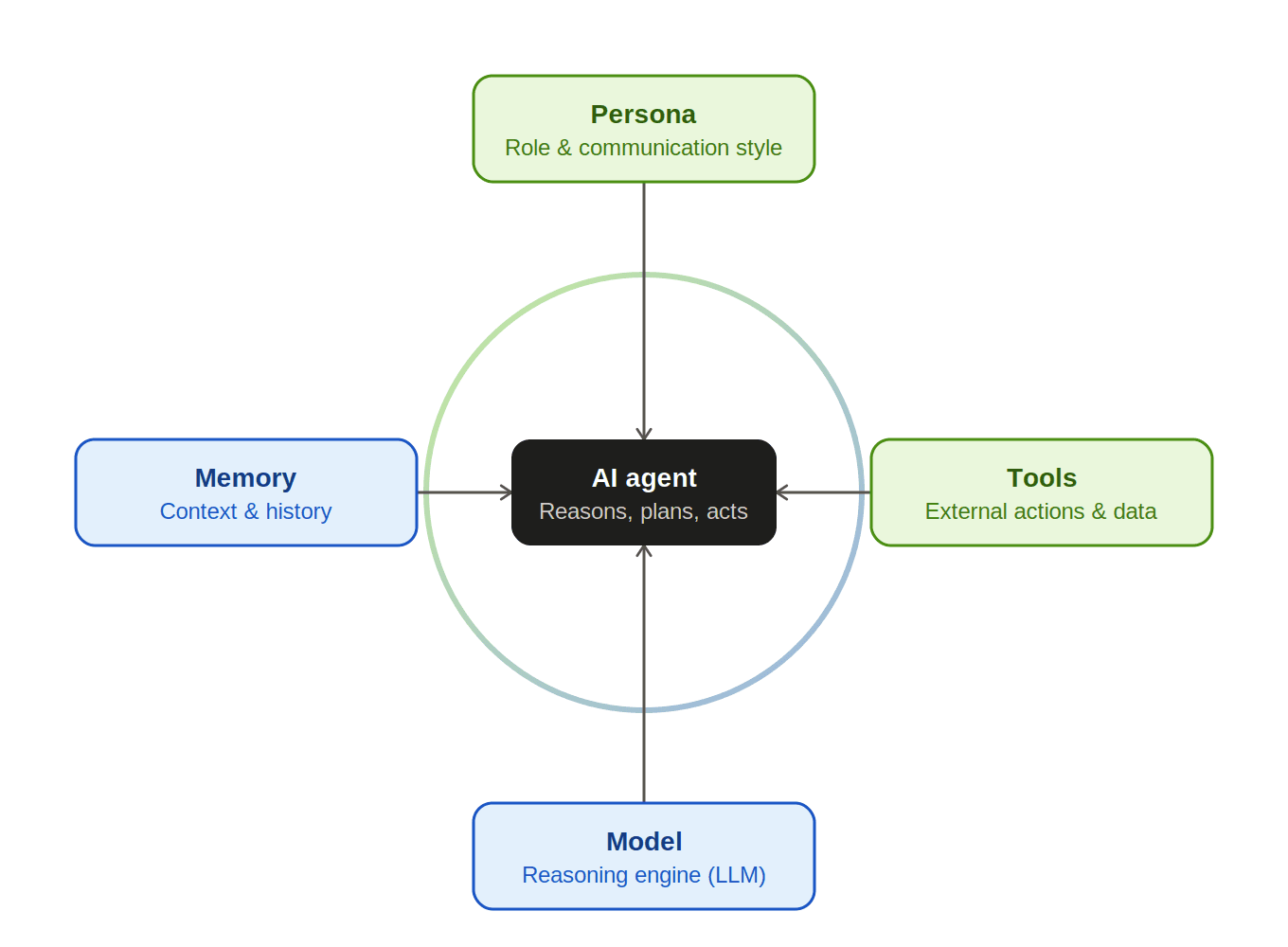 AI & Data Fundamentals
AI agents reason, plan, and act on a user's behalf. Here is how they differ from assistants and bots, how they are built, and where they pay off.
Read Article →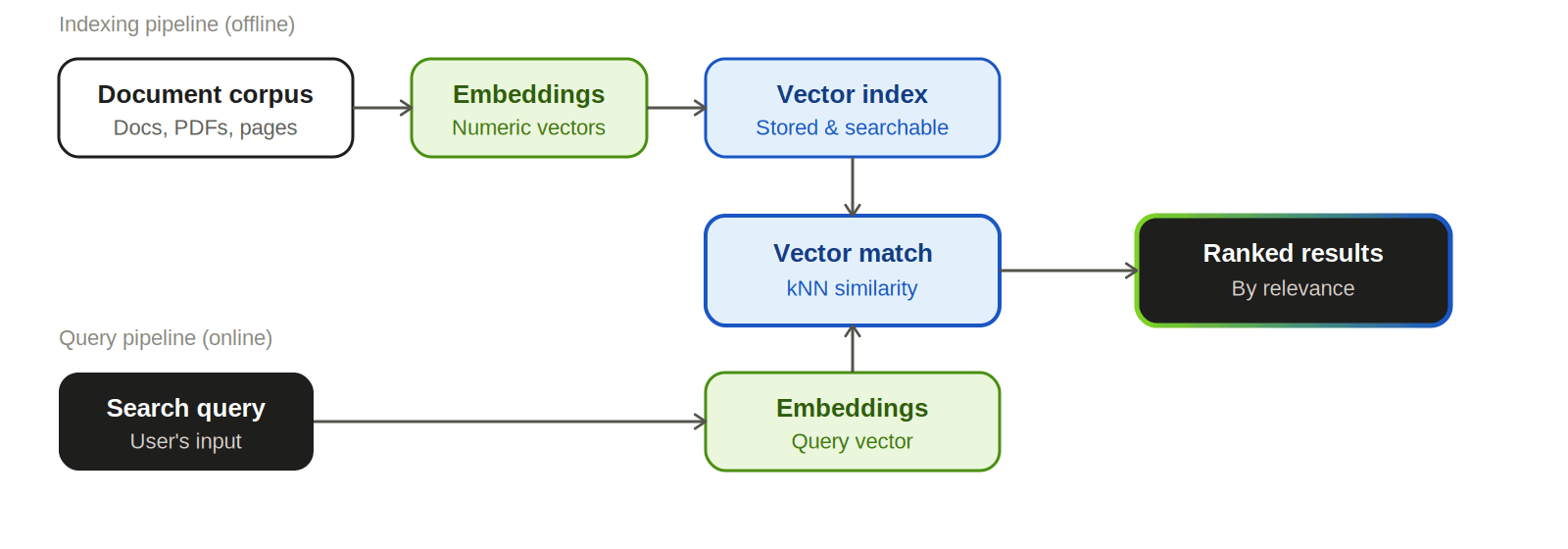 AI & Data Fundamentals
Semantic search reads the intent behind a query instead of matching keywords. Vector search then returns results by meaning, even when the words do not overlap.
Read Article →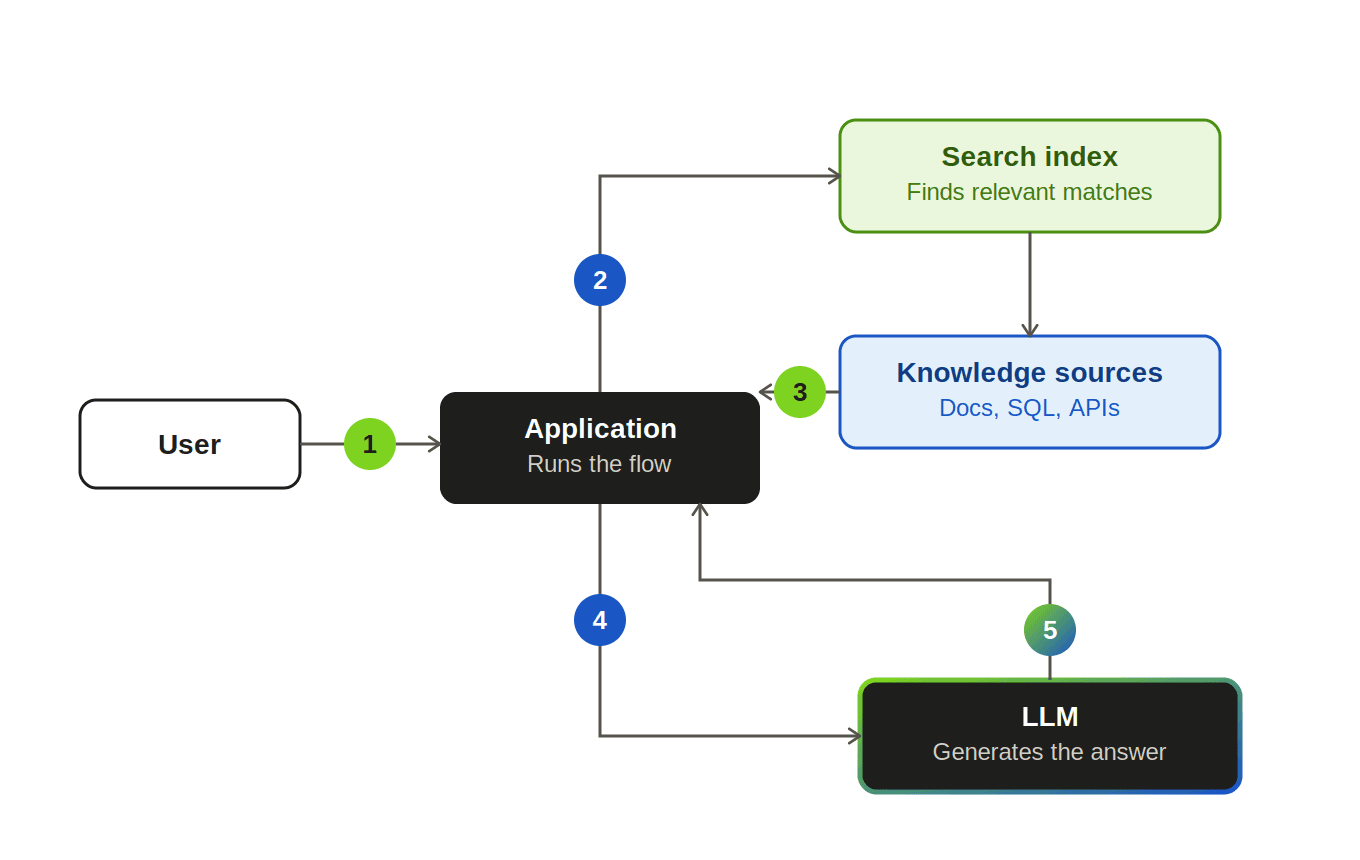 AI & Data Fundamentals
RAG connects a large language model to live, authoritative data sources. Every answer is grounded in verified context instead of frozen training data.
Read Article →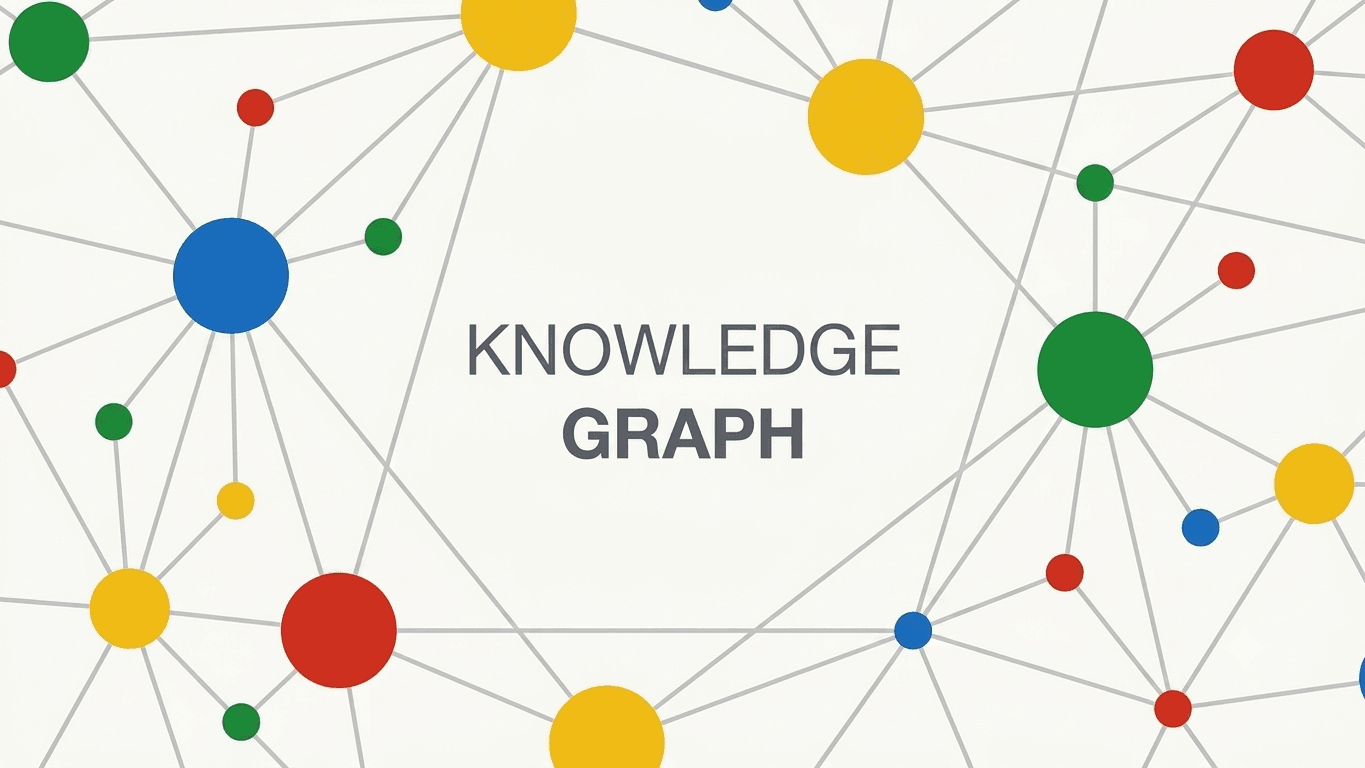 AI & Data Fundamentals
A knowledge graph maps how your data connects: entities, attributes, and the relationships between them. That context is what lets AI reason accurately instead of guessing.
Read Article →Tell us what you're building and we'll show you where uCube.ai actually fits — no generic demo, just a straight conversation about your data and your goals.